Blog Feed

Simulect Information Page

In today’s blog, I will be reviewing monoclonal antibodies and the drug Simulect. https://www.accessdata.fda.gov/drugsatfda_docs/label/2003/basnov010203lb.htm.

In my Microbiology class, we briefly touched on the subject of monoclonal antibodies. From what we discussed, my interpretation of these antibodies is that they all have the exact same constant and variable regions. Therefore, each of these antibodies has the same functional characteristics. Typically, antibodies differ based on their functional (Fc) regions. In order to create these antibodies, B cells from the spleen are taken and mixed with myeloma cells that grow indefinitely and are susceptible to the drug aminopterin. Once mixed, the fused B cells and myeloma cells become hybridoma cells on a culture infused with aminopterin. The cells that live and recognize the desired epitome are put in culture so that they can grow. The antibodies are then collected from the cells. These antibodies allow for diagnosis of many infections and are currently being used in treatment as well.

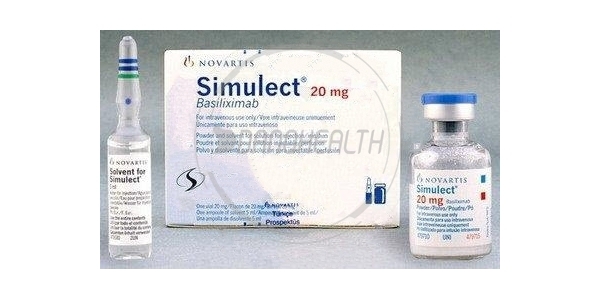
The drug that I wanted to look at today is Simulect. Simulect, generic name Basiliximab, is a common drug that is used to prevent organ rejection for patients undergoing kidney transplants (https://www.medicinenet.com/basiliximab-injection/article.htm). People who undergo organ transplants are susceptible to having severe inflammatory responses due to the system attacking the foreign organ. Simulect is used to prevent this from happening. The way that Simulect works is by inhibiting IL-2 binding. According to the FDA, the drug specifically works by inhibiting “IL-2-mediated activation of lymphocytes, a critical pathway in the cellular immune response involved in allograft rejection” (FDA, 2020). According to what we have learned from class, IL-2 is commonly released by T helper 1 cells when the body is infected with a virus. IL-2 subsequently helps T cytotoxic cells kill infected cells which works well when the body is truly infected, but can cause severe problems in people who undergo organ transplants.

Typical side effects of Simulect include (https://www.rxlist.com/simulect-side-effects-drug-center.htm#overview):

  • Nausea
  • Stomach pain
  • Diarrhea
  • Constipation
  • Cold symptoms
  • Acne
  • Sleep Problems
  • Headache
  • Swelling of the hands/ankles/feet
  • Pain/redness at the site of injection

Doctors should be made aware of other medications being taken due to drug interactions. If taking medications that affect the immune response, patients should immediately notify their physician if they experience these side effects:

  • Fever
  • Swollen glands
  • Weakness
  • Unusual lumps
  • Night sweats
  • Persistent cough/sore throat
  • Pain during urination
  • Soreness around mouth/genitals
  • Unexplained weight loss
  • Vision changes

Unfortunately, severe allergic reactions can occur while taking this medication, however, this is an extremely rare side effect. If experiencing an allergic reaction signs and symptoms to look for include:

  • Rash
  • Itching/swelling
  • Fast heart rate
  • Dizziness
  • Sneezing
  • Trouble breathing

It is understandable why some of these side effects can occur especially those related to drug interactions. If taking immunosuppressant drugs, adding on immunosuppressant therapy could lead to adverse conditions. This can make people highly susceptible to other infections. Furthermore, this drug does not appear to make patients more susceptible to other infectious diseases, however, it is stated that people who have received the injection should not have close contact with people who have received oral polio or flu vaccinations that were inhaled (MedicineNet, 2020). This is most likely due to the fact that the inactivated virus could technically be spread via respiratory transmission and though harmless for someone with an intact immune system, this could be problematic for someone undergoing immunosuppressant therapy. Though just stated, it is important to note that the drug does suppress the immune response. It would be wise to stay in doors until the medication is out of the system. Since the T cytotoxic response will be lower than usual, it would be best to avoid people suffering from viral infections. This could leave the individual more exposed to developing viral infections that they may not be able to fight off as easily.

As I have just stated, the drug is an immunosuppressant. It works by suppressing IL-2s ability to bind to T-lymphocytes (T-cytotoxic cells) which go onto kill virally infected cells. The acquired immune response at this point is impaired once Simulect has been administered. As has been stated above, it is best for individuals receiving this therapy to avoid people who are sick and to also avoid receiving any vaccinations. Flu vaccines, though typically harmless, could cause a larger infection in people who are immunocompromised and it is best to speak with the Physician about these matters. While Simulect is a great drug to use before a kidney transplant, it is essential that the patient understand the side effects of the drug and be educated on the mechanism for how it works. Immunosuppressants are quite dangerous if handled incorrectly.
New Antibody Tests For COVID-19

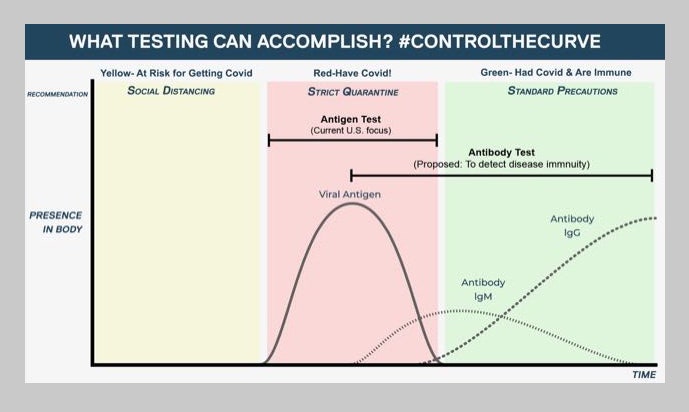
Researchers have been working around the clock to figure out a way to test patients to determine who has been infected with COVID. One particular way they are doing this is by taking blood samples from patients’ and checking their antibodies. In my microbiology class, we learned that once exposed to a pathogen in the early stages, our B cells will divide into plasma cells and release a little bit of the antibody known as IgM. Antibodies are what help us fight off infections by performing actions such as neutralization of pathogens and many other abilities. Because IgM is the first antibody produced before class switching occurs to better antibodies from the help of T helper cells, having an IgM antibody titer means that the patient has not been recently exposed to the COVID pathogen. If, however, researchers find both IgM and IgG in the bloodstream, this would mean that the patient has been exposed to the pathogen and is either in late stages of the infection or has recovered. This being said, if the patient were to test IgG positive, they could either infect others because they are in the late stages of the disease or they have recovered and can no longer transmit the infection. These tests would help determine who is/is not at risk to return to everyday life.

COVID Antibody Test Results

One of the articles I found interesting actually described just how antibody testing could help us fight COVID. There are currently two tests to determine if people have been infected with COVID. The first is a Polymerase Chain Reaction (PCR) test that searches for the virus’ RNA by taking a nose swab from a patient. These types of test actually test for active infection. On the other hand, serological tests are blood tests that look for antibodies produced from recent infection. In the article, it was written that “if [COVID-19] antibodies are present when you run the [serological] test, that means [a person] had the infection in the past,” (https://www.healthline.com/health-news/how-antibody-testing-can-help-us-fight-covid-19#What-is-an-immunity-test?). This is highly important because tests like these could allow us to go back to normal life. Researchers are currently hopeful that the virus will take years to mutate and we will have the ability to make vaccines more quickly if this happens.

New COVID Antibody Test

I found similar results in another article. This article from BioSpace explained that “positive results for both IgG and IgM could occur after infection and can be indicative of acute or recent infection” (https://www.biospace.com/article/fda-approves-1st-covid-19-antibody-test/). These antibody tests have been FDA approved and will hopefully be widely distributed soon. These tests would prove helpful because “there is also the potential to use antibodies against the virus for therapy against the disease” (Mark Terry, 2020). Not only would we be able to have a possible vaccine against the virus, but we could use peoples’ antibodies to help others who have not been exposed to build immunity against the COVID pathogen. It is incredible what researchers are currently doing and achieving. Ideas to fight viruses that have never been thought of before are being tested on patients currently and are seemingly working so far. I hope that this virus will take years to mutate or hopefully never mutate, but because of its RNA genome, mutation is likely to happen. All we can do is rely on the scientists and researchers who work day in and day out to provide us with answers and solutions to live healthier lives and ward off COVID-19.

Dendritic Cell Therapy

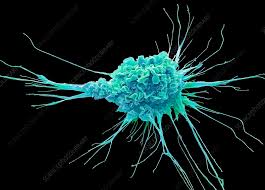
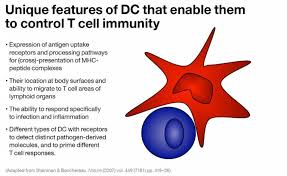
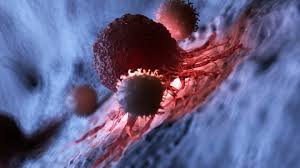
Dendritic Cell Therapy has been a large area of research over the past years. Dendritic cells, as I have learned in class, have the potential to be antigen presenting cells (APCs). APCs play a major role in both innate and acquired immunity. Many researchers have begun using dendritic cell therapy in cases of auto-immune diseases in the hopes of reversing the body’s response to attack itself. Auto-immune diseases typically occur due to cytotoxic T cells attacking “self” cells. Researchers have been hoping that introducing dendritic cell therapy, APCs that are trained effectively may lead to a reversal of such diseases, including Multiple Sclerosis and different forms of cancer. In an article reviewing immunotherapy for pancreatic cancer, researchers have stated that “the magnitude and persistence of a T cell response against a tumor is dependent on initial priming by antigen-presenting cells. Conventional dendritic cells (cDCs) have been recognized as critical mediators of antigen-priming and T cell activity…” (https://www.sciencedirect.com/science/article/pii/S1535610820300970). It is therefore clear that dendritic cell therapy could work against auto-immune disorders and many forms of cancer.

Multiple Sclerosis Effect on Myelin

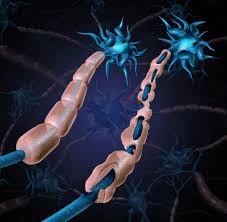
Multiple Sclerosis is an autoimmune disease that leads to the body attacking its own myelin. Myelin surrounds the axons of nerves and aids in movement. People who suffer from this disease can die at early ages if not given adequate therapy. Many researchers believe that STEM cell or dendritic cell therapy may help patients suffering from MS. Glatiramer acetate is a medication that acts as an immunomodulator, thus is a form of immunotherapy. Researchers in the study Glatiramer Acetate Immune Modulates B-cell Antigen Presentation In Treatment Of MS found that “GA has been shown to reduce the relapse rate and progression of neurologic disability in MS” (https://nn.neurology.org/content/7/3/e698).

Dendritic Cell Therapy on Cancer

I know someone relatively close that has Multiple Sclerosis. He unfortunately developed the disease awhile ago and it has completely wrecked him. I am not sure he even uses a walker anymore or if he is permanently wheelchair bound at this point. He received STEM cell therapy a few years ago and unfortunately it did not seem to work. This was a last resort option and unfortunately there are none left. I think that STEM cell therapy or dendritic cell therapy is great in theory, but I do not believe it works the way researchers wish it would. Different forms of therapy sound great and may work in labs, but that does not always mean it will work on humans. I have heard stories about STEM cell therapy working in some cases, but unfortunately it does not work in all. I think there will need to be much more immunotherapy research done to see effectiveness in auto-immune diseases.

Effective Methods to Deal With Global Crises

So, no the Coronavirus is not quite a global CRISIS. We are not living through a war…luckily, but it has effectively stopped many of us around the globe from living our normal lives. Unfortunately, as a Senior at Carolina, I have many emotions about everything currently going on with this pandemic. I am angry and upset, but most of all just confused. I do not think it has quite sunken in yet that I will not be attending another class in Genome or Dey (pronounced “die” 🙂 ) Hall or any other building on campus. I will not have anymore late night study sessions in the UL. I won’t get to live with my roommates ever again. Yes, I knew this day would eventually come, but it’s one thing to be prepared for it and another to have it blindly ripped from you. Little did I know that walking back from my medical terminology class on Friday before Spring Break would be my last walk back to my apartment. I did not get to cherish my last moment at UNC and I think that is what is upsetting most of all.

This being said, I would tell all students at Carolina, especially Freshman, that your time at UNC will be short. Sometimes it will feel like it will never end, but it will fly by and before you know it you’ll be a senior and never want to leave. Cherish every moment at school, because life can sometimes be cruel. Yes, I am only losing two months at Carolina, but those last two months are in many ways the best experience in college. The nostalgia you feel and the love for the school grow everyday as you know your days get shorter and shorter being at the University. Now that I have completed my emotional rant, I would like to share some great ways to stay active and healthy without losing your mind while quarantined.

I have downloaded the Peloton app and they have extended their free session to 90 days due to the pandemic. If you are like me, you are probably thinking you have to have a peloton bike for this. No. This app gives you different workout methods such as cardio, running, walking, yoga, cycling, strength, boot camp and many others. Working out for about 20-30 minutes each day is one of the best ways to get your endorphins going. I also recommend watching comedies on television, face timing friends, calling friends or even reading a good book. As a Psychology major, I know how important dopamine is for you. During this stressful and emotional time, it is important that you find a way to increase your dopamine levels so as to feel better and be in a happier mood. Also, PUT THE PHONE DOWN. Stop snap chatting, stop looking on instagram, stop looking at twitter, stop texting…just stop being glued to your phone. Have an actual conversation with someone on the phone and hear someone’s voice.

I think our society could actually benefit from this virus in some ways. People have gotten too attached to their phones and social media. Enjoy your parents’ company if you are at home. Enjoy your friends’ company if you are still at school. Make meals or even bake fun goodies with the people you are around. Make good memories during this crisis and don’t let it consume you. Workout, get your work done for the day, and have fun with the people you have decided to surround yourself with during this pandemic. If you feel emotional, talk to someone and let them hear how you feel. Mental health is very important during this time. I think as selfish Americans, the lesson we need to take away from this fiasco is to enjoy every moment that passes because you never know what life will throw at you the coming day.

Information About HPV and Gardasil

HPV

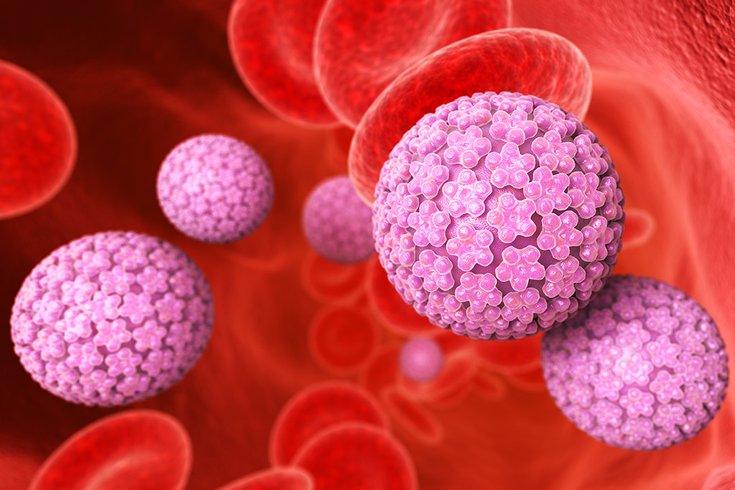
HPV, otherwise known as Human Papillomavirus, has been known to be one of the leading causes of cervical cancer in women. HPV is a sexually transmitted disease that has been correlated with socioeconomic levels. According to the article Impact of HPV vaccination and cervical screening on cervical cancer elimination: a comparative modelling analysis in 78 low-income and lower-middle-income countries, Marc Brisson et. al. stated that “cervical cancer is the second most frequent cancer among women in low-income and lower-middle-income countries (LMICs)” (https://www.sciencedirect.com/science/article/pii/S0140673620300684). One of the reasons we see these results is because the vaccination against HPV, Gardasil, is not accessible to individuals in these lower income countries. Furthermore, they discussed in their research that HPV can easily be eliminated as a global health problem, according to the World Health Organization (WHO). Brisson et. al., also stated that “to achieve cervical cancer elimination in all 78 LMICs, our models predict that scale-up of both girls-only HPV vaccination and twice-lifetime screening is necessary, with 90% HPV vaccination coverage, 90% screening uptake, and long-term protection against HPV types 16, 18, 31, 33, 45, 52, and 58” (Marc Brisson et. al., 2020).

Gardasil

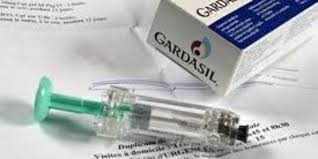
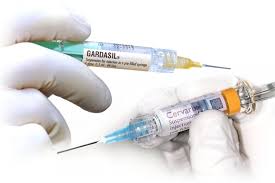
According to the CDC, HPV is the most commonly sexually transmitted disease and they have written that “most infections are asymptomatic and become undetectable, but some can be persistent and can progress to cancer in both women and men later in life” (https://www.cdc.gov/vaccinesafety/vaccines/hpv-vaccine.html). The CDC recommends that boys and girls at the age of eleven or twelve should receive the HPV vaccine Gardasil. Older adults are also recommended to receive the vaccination if they have not received it in the past. The CDC comments about the Gardasil vaccination and gives helpful information about the vaccine. They have stated that “Gardasil 9 (human papillomavirus 9-valent vaccine, recombinant; 9vHPV)…was studied in clinical trials with more than 15,000 participants before it was licensed and continues to be monitored” (CDC, 2019). As I have learned in my Global Health Anthropology class, Gardasil 9 can protect against HPV types 6, 11, 16, 18, 31, 33, 45, 52, and 58.

Gardasil Vaccination

As a 22 year old female, I actually have not received the Gardasil vaccination. My sister unfortunately had a very odd reaction to the vaccine when she received it at the age of 16. Because of this, I decided against receiving the vaccine. After having read many articles about HPV and Gardasil for my microbiology class, I have decided to receive the vaccine this summer. Vaccines can sometimes be scary, but it is important to realize that side effects are rare and unlikely to occur. Individuals should always get their vaccines unless there is a medical concern.

Always Get Vaccinated

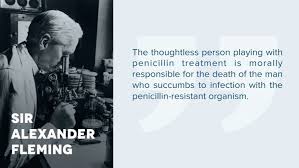
“The thoughtless person playing with penicillin treatment is morally responsible for the death of the man who succumbs to infection with the penicillin-resistant organism” – Alexander Fleming

Antibiotic Resistance

I am sure many of you have heard about the rise of antibiotic resistance. Bacteria are beginning to fight back against our key mechanisms of destroying bacterial infections. Everyone has heard of Tuberculosis and if you haven’t, well unfortunately you may need to be aware of and concerned about this disease. I learned in my Anthropology of Global Medicine class that TB was an old infectious respiratory disease that affected most of the globe. America even had many outbreaks of this disease, but it was controlled with simple antibiotics. By the 1980s, TB outbreaks began once more and concerning many scientists and researchers was the fact that our antibiotics weren’t working against the bacteria anymore. Let’s discuss how antibiotics have gained resistance and why this terrifying problem is occurring.

Concern Over the Rise of Antibiotic Resistance

Antibiotic resistance is mainly caused by one thing…us. No, we are not doing this purposefully or even knowingly. On a national and even global level, humans are constantly being exposed to antibiotics. Foods that we eat, especially meats, are laced with antibiotics. As population levels rise and the demand for meat increases, animals are given antibiotics to help them grow at faster rates to further our supply. I have also learned that antibiotics are given unnecessarily. “[The] CDC estimates about 47 million antibiotic courses are prescribed for infections that don’t need antibiotics, like for colds and the flu, in U.S. doctors’ offices and emergency departments each year” (https://www.cdc.gov/antibiotic-use/community/about/antibiotic-resistance-faqs.html). Antibiotics do not work against viruses. An antibiotic would do nothing other than cause possible gastrointestinal complications and leave you still very ill from whatever virus is ailing you. Furthermore, people are taking their antibiotics incorrectly. When you are given antibiotics, you take the required dosage for however long it was prescribed. I have had bronchitis many times and by the 6-7th day I always feel fine. Does this mean I do not take the remaining 3 pills for my 10 day prescription? No. This is actually one of the KEY reasons superbugs exist today.
Misuse of Antibiotics

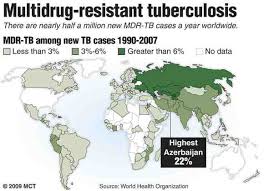
Mycobacterium tuberculosis is unfortunately beginning to act like superbugs. We are starting to see many of these superbugs occurring and antibiotics are not working against them the way they should or the way they used to. According to researchers Madikay Senghore et al., “…the fight against TB faces unique challenges due to…the emergence of multidrug-resistant (MDR-TB) strains” (https://www.nature.com/articles/s41598-019-56001-0). An entire topic about TB was discussed in my Anthropology class and we learned that Multi-drug resistant strains of TB are occurring globally in areas that lack prevention and adequate treatment for regular Tuberculosis. People are not taking the medications accurately and are sometimes prescribed dosages incorrectly. If someone with TB takes a prescription for too few days, left over bacteria can spontaneously mutate and become resistant against antibiotics. Furthermore, conjugation (bacterial sex) is allowing antibiotic resistant organisms to transfer antibiotic resistant genes to other bacteria, creating a population of antibiotic resistant organisms.

MDR-TB Globally

Antibiotic resistance is no joke. Tuberculosis is only one infectious disease that was discussed, but there are many others. Luckily, multi-drug resistant strains of TB can be treated with a second line of defense medications. Unfortunately, as I have learned in classes, scientists are beginning to see extensively-resistant strains of TB that are resistant to first and second line of defense antibiotics. As of right now, there was a case in India of TB that was resistant against ALL of our antibiotics. Unfortunately, we can only look to ourselves to blame for this problem. What is even more worrisome is that scientists are not creating novel antibiotics due to how quickly bacteria gain resistance. There need to be incentives for researchers to create new antibiotics that will hopefully stop this problem of antibiotic resistance. If bacteria continue to gain resistance and antibiotics are not created to destroy them, we could begin to see massive problems in the future for a world that is currently seeing a rise in population growth.

Alexander Fleming on Antibiotic Resistance

Polio…What You Need to Know

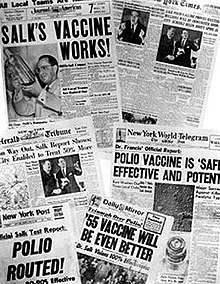
History of Polio Vaccine

Poliomyelitis has had a long history globally and in the United States. Many people believe that Polio leads to paralysis due to the Polio virus attacking the Central Nervous System. Many people may even think of Franklin Delano Roosevelt when they hear the word “Polio.” Interestingly, I learned in my Anthropology class about global health that only about 1% of cases of Polio lead to paralysis while most cases show as asymptomatic or even result in minor flu-like symptoms. Either way, it is important to receive the vaccination since Polio is the second infectious disease that has the chance to be eliminated from the world.

Polio Vaccine Efficacy

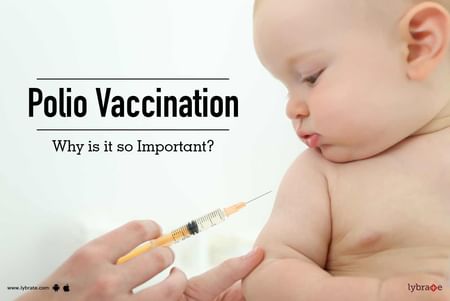
Polio can be treated in one of two ways, either by a live-attenuated oral vaccination (OPV) or an inactivated vaccination (IPV). Polio is caused by three different strains, so the vaccine must take into account each of these. According to a study in Science Direct, researchers found that the Type-2 strain of polio has been eradicated from the globe (https://www.sciencedirect.com/science/article/pii/S0264410X19314446). Furthermore, the OPV strain is now being eliminated because it has been found to harbor the paralytic poliomyelitis and the IPV method is now regularly being used. Researchers in the study stated that, “AJ Vaccines has developed a dose sparing IPV, obtained by adsorption of the inactivated virus to an aluminium hydroxide (Al(OH)3) adjuvant, which has enabled the reduction of the amount of antigen by up to ten times compared to the currently used IPV” (Bravo et al., 2020). One of the biggest concerns in the future for the inactivated vaccination is the demand for the vaccine as population growth continues to grow as well as cost and availability problems.

Unlike Smallpox, Polio has unfortunately not been eradicated. Because Polio has three strains, it will be difficult to fully eliminate it from the world. It was confirmed that the Type-2 strain had been eradicated, but according to the article Global Polio Eradication Falters in the Final Stretch, it was reported that there have been cases in Africa as of 2019 and “the culprit…is vaccine-derived polio virus type 2, and the fear is that it will jump continents and reseed outbreaks across the globe” (https://science.sciencemag.org/content/367/6473/14.full). As previously mentioned, the problem seems to be spreading due to the Oral vaccination (OPV) which is one of the most effective methods for eliminating the Polio virus. New methods are being taken to approach this problem and researchers are developing novel Polio vaccines to avoid global consequences that are sure to arise due to the OPV. Furthermore, “the Global Polio Eradication Initiative (GPEI) is debating whether to combat the resurgent virus by re-enlisting a triple-whammy vaccine pulled from global use in 2016” (Roberts, 2020). This is an extremely risky move that could result in disastrous consequences.

Oral Polio Vaccine

In my opinion, we will not see the eradication of Polio until many years down the road. Unfortunately, methods to eradicate infectious diseases is not easy and it is certainly not cheap. According to the article above, new vaccines are now having to be developed to combat Polio, resulting in more spending. In addition, finding ways to get the vaccine to their destinations is difficult, not to mention the fact that the disease can be asymptomatic, making it nearly impossible to track down exactly who has it and who may be infectious. In my opinion, the vaccination methods used to eradicate Polio have made it difficult to ensure elimination of the disease. In my Anthropology class, we learned that Smallpox was quickly and effectively wiped off the planet because health care providers used a strategy similar to herd immunity. They delivered the vaccine to those that were infected in small pockets around endemic countries. Unlike Polio, the entire population was not receiving the Smallpox vaccination. I believe that different strategies may need to be put into place so that eradication of Polio can be ensured for the future.

Struggle of Eradication of Polio

The Microbiome & Its Importance

The Microbiome

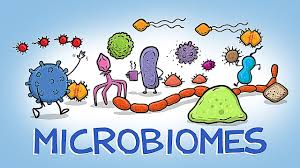
The Microbiome has only just recently been a hot topic of discussion and research among scientists. We have learned in class that the Microbiome describes the collective genome of microorganisms that reside in their environmental niche. Researchers have begun to see that there are links to human health and the microbiome. Understanding the Microbiome will help researchers better understand mental health such as depression as well as what makes some people appear younger and thinner. Research has shown that those that have a more diverse microbiome live longer and are overall more healthy. Furthermore, scientists have even discovered evidence linking the microbiome with autoimmune diseases such as Rheumatoid Arthritis and Multiple Sclerosis. It is clear that having a healthy and normal microbiome is vital to life. Therefore, it is necessary that people understand the Microbiome and how important it is to our daily lives.

Microbiome’s Importance

As mentioned previously, the Microbiome may be contributed to autoimmune diseases such as Rheumatoid Arthritis (RA). RA is an autoimmune disorder that typically attacks the hands and wrists, causing pain and swelling in the joints. According to Maximilian Konig in The Microbiome in Autoimmune Rheumatic Disease, “Interactions of microbiota and the immune system have been shown to promote and sustain chronic inflammation and autoimmunity” (https://www.sciencedirect.com/science/article/pii/S152169421930169X). Konig also found that Porphyromonas gingivalis, a non-motile, anaerobic Gram-negative rod bacteria that has been linked to a possible cause of dementia, may play an equally large role in RA (Konig, 2020). P. gingivalis is able to convert the amino acid arginine into the protein citrulline, known as citrullination. “C-terminal citrullination of bacterial and host protein has been hypothesized to break immunological tolerance and initiate the ACPA response in RA” (Konig, 2020). Therefore, the Microbiome may play a significant role in development of autoimmune diseases such as RA.

Microbiome & Autoimmune Diseases

In addition, some scientists have now begun to suspect that the Microbiome plays a role in allergic diseases and researchers have designed studies to determine if this is so. A study in 2020 was done due to a drastic increase in allergic diseases in developing countries. It has been suggested that this rise is linked to the Hygiene Hypothesis which states that as the immune system develops, it must be exposed to microorganisms to learn to protect against allergens. Researchers Ayami Nomura, Astushi Matsubara, Sinichi Goto, Junko Takahata, Kaori Sawada, Kazushige Ihara and Shigeyuki Nakaji in their study, Relationship Between Gut Microbiota Composition and Sensitization to Inhaled Allergens, concluded that “the presence of bacteria of order Lactobacillales, Bifidobacteriales, and Bacteroidales in the gut microbiota may affect sensitization to inhaled allergens” (https://www.sciencedirect.com/science/article/pii/S1323893020300046). One drawback to this study, however, was the absence of nasal allergy testing. Therefore, it is unclear whether gut microbiota can be linked to the cause of nasal allergies. However, it is clear that the human Microbiome plays a role not only in mental health and physical shape, but it also plays a role in autoimmune disorders as well as allergic diseases. To understand how to better oneself, they must understand their Microbiome.

Microbiome & Allergies

2019 Influenza Report

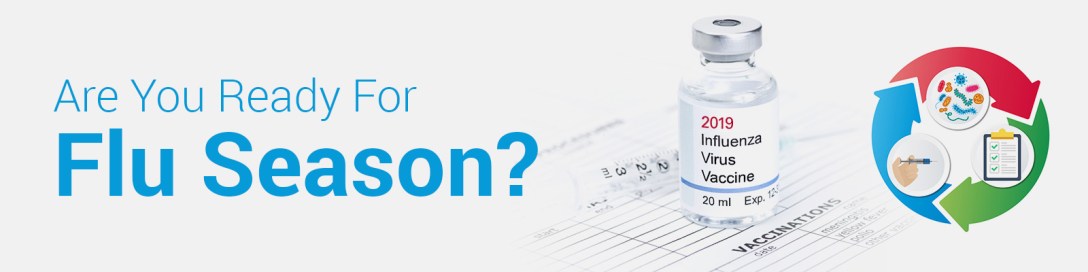
Influenza, commonly known as the flu, is a virus that easily spreads predominantly in the late fall and winter months. Unfortunately, this virus can be lethal, especially for those that are considered immunocompromised such as the elderly, children under the age of one/two and pregnant women. Because of the relatively high mortality rate, vaccines have been developed that help humans fight against the flu. Every year, new vaccines are made in preparation for the flu, but these vaccines vary each year since there are multiple strains of influenza. According to the CDC, “Flu vaccines cause antibodies to develop in the body about two weeks after vaccination” (https://www.cdc.gov/flu/prevent/keyfacts.htm). These antibodies accumulate within the body and are able to fight against the infection once the individual has come into contact with the virus (CDC, 2019). Sometimes the vaccine can be more than 80% effective if it hits just right, but other times it can be no more than 30% effective.

Flu Vaccination

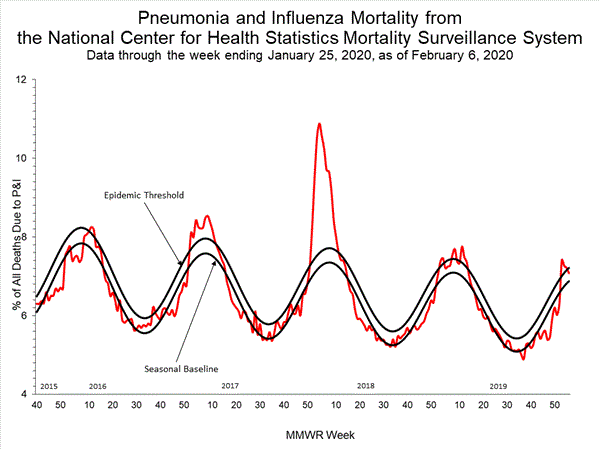
The Flu vaccination is typically a four or a three-in-one shot. The vaccine can protect against both influenza A viruses (H1N1 and H3N2) as well as one of the influenza B viruses. The CDC has stated that for this year (2019-2020) it is hard to determine the effectiveness of the vaccination as of right now since it is still early. However, according to an article in HealthNews, “early reports from the World Health Organization (WHO) suggest this year’s shot might not be the most effective. Two of the strains that just struck the Southern Hemisphere, and then predictably may move north, aren’t included in the new vaccine” (https://www.healthline.com/health-news/the-flu-vaccine-might-be-mismatched-but-you-still-need-your-shot). On the bright side, the CDC’s Pneumonia and Influenza Mortality Surveillance has recorded that 7.1% of deaths in the United States during week four of the New Year (end of January 25, 2020) have been due to Pneumonia and Influenza (https://www.cdc.gov/flu/weekly/index.htm). As can be seen in the graph below, this is down from the epidemic threshold which is around 7.2% at the end of week four.

CDC’S P&I Mortality Surveillance

Even though the flu vaccine may not always hit its mark, it is important to get the vaccination each year. As my Microbiology Professor, Dr. Cramer, mentioned in class once, some form of protection is protection. It is likely that if you received the vaccine, you will survive if contracting the flu. The vaccine exposes you to the virus, even though the 2019-2020 flu virus may have different strains than the vaccine. The flu is not something to take lightly. Unfortunately, influenza has a segmented genome that acts as a virulence factor for the organism. This segmented genome allows for antigenic shift, meaning that different segments of the virus from different organisms can integrate in a host’s genome. Ever heard of Avian flu? Somehow, a segment of a human flu virus combined with a segment of a bird flu virus, integrated inside of a bird’s genome and allowed the virus replicating inside of the bird to transmit to humans. Antigenic shifts of flu viruses are lethal and we see this from the Avian flu. Remember, the flu CAN be lethal. To prevent the spread of this infectious disease, get your flu shot, wash your hands, and stop touching your face!

DON’T TOUCH YOUR FACE

The Truth About the MMR Vaccine

MMR Vaccination Scandal

In 1998, Andrew Wakefield, a British physician, published an article in the Lancet suggesting a correlation between the MMR vaccine (protection against Mumps, Measles and Rubella) and autism. Before 1998, however, Wakefield worked in the field of gastroenterology and proposed a theory in 1995 that “Crohn’s disease or ulcerative colitis may be diagnosed by detecting measles virus in bowel tissue, bowel products or body fluids” (https://www.bmj.com/content/342/bmj.c5258.full?sid=9dce6fe3-671d-40af-aad5-eb79d942f7d5). Wakefield soon began a study with 12 children who had bowel and brain problems that he later linked to the MMR vaccine. None of these children were found to have Crohn’s disease, however, so Wakefield backpedaled and later claimed that the vaccine was linked to “autistic enterocolitis,” a made-up disease that had distinctive characteristics of autism (Deer, 2011). Furthermore, it is clear from Deer, 2011 that the study was a complete scam for financial purposes. According to another article in The British Medical Journal, many researchers have run similar studies to verify/falsify Wakefield’s claims and they have all found no correlation between the MMR vaccine and autism (https://www.bmj.com/content/342/bmj.c7452).

Andrew Wakefield on MMR Vaccine and Autism

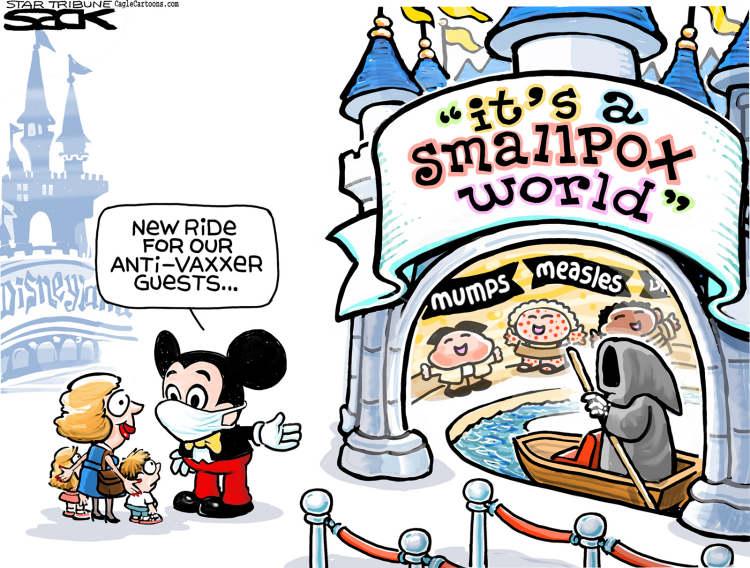
Unfortunately, due to Andrew Wakefield’s claims in 1998, many people around the world, especially in the United Kingdom as well as the United States, stopped getting their kids vaccinated with the MMR vaccine. Many people have become anti-vaccinators in general, leading to global outbreaks of viruses that should have been eradicated years ago. Measles has seemingly been of the most concern, especially for the Western World. According to The Anti-vaccination Movement: A Regression in Modern Medicine, “In 2008, measles was declared endemic in the UK for the first time in 14 years” (https://www.ncbi.nlm.nih.gov/pmc/articles/PMC6122668/). Even more recently and somewhat disturbingly, especially for the United States, is the recent Mumps outbreak. The leading causes of this outbreak are contributed to anti-vaccinators, but even more so due to the recent ineffectiveness of the Mumps vaccine. Doctors are now advising people to receive a new third dose of the MMR vaccine (https://newsroom.clevelandclinic.org/2018/03/26/recent-rise-in-mumps-outbreaks-prompts-updated-mmr-vaccine-recommendation/).

Unlike the Measles and the Mumps, Varicella has not been quite as much of a concern when looking at recent outbreaks. According to the CDC, “Varicella outbreaks from one active surveillance site declined 95%, from 236 outbreaks during 1995 to 1998 to 12 outbreaks during 2007 to 2010” (https://www.cdc.gov/chickenpox/surveillance/monitoring-varicella.html). Analyzing the timeline, however, highlights some interesting points. For one, this article shows that there were relatively high levels of outbreaks around the time Andrew Wakefield published his studies. Once his studies were retracted and time passed, however, we can see by the early 2010s that outbreaks diminished. Perhaps rates of anti-vaccinators decreased once it was obvious the study was false. Even today there is a slightly smaller concern for Varicella compared to the intense outbreak of the Measles and growing concern of the Mumps. Unfortunately, anti-vaccinators will continue to pose a threat to global health and society as they refuse to vaccinate against diseases that could easily be eradicated. Though Varicella does not pose a major threat as of now, there is a high chance that this disease will return with a vengeance once again.