
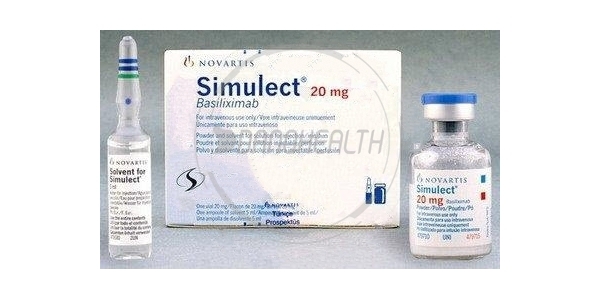
In today’s blog, I will be reviewing monoclonal antibodies and the drug Simulect. https://www.accessdata.fda.gov/drugsatfda_docs/label/2003/basnov010203lb.htm.
In my Microbiology class, we briefly touched on the subject of monoclonal antibodies. From what we discussed, my interpretation of these antibodies is that they all have the exact same constant and variable regions. Therefore, each of these antibodies has the same functional characteristics. Typically, antibodies differ based on their functional (Fc) regions. In order to create these antibodies, B cells from the spleen are taken and mixed with myeloma cells that grow indefinitely and are susceptible to the drug aminopterin. Once mixed, the fused B cells and myeloma cells become hybridoma cells on a culture infused with aminopterin. The cells that live and recognize the desired epitome are put in culture so that they can grow. The antibodies are then collected from the cells. These antibodies allow for diagnosis of many infections and are currently being used in treatment as well.
The drug that I wanted to look at today is Simulect. Simulect, generic name Basiliximab, is a common drug that is used to prevent organ rejection for patients undergoing kidney transplants (https://www.medicinenet.com/basiliximab-injection/article.htm). People who undergo organ transplants are susceptible to having severe inflammatory responses due to the system attacking the foreign organ. Simulect is used to prevent this from happening. The way that Simulect works is by inhibiting IL-2 binding. According to the FDA, the drug specifically works by inhibiting “IL-2-mediated activation of lymphocytes, a critical pathway in the cellular immune response involved in allograft rejection” (FDA, 2020). According to what we have learned from class, IL-2 is commonly released by T helper 1 cells when the body is infected with a virus. IL-2 subsequently helps T cytotoxic cells kill infected cells which works well when the body is truly infected, but can cause severe problems in people who undergo organ transplants.
Typical side effects of Simulect include (https://www.rxlist.com/simulect-side-effects-drug-center.htm#overview):
- Nausea
- Stomach pain
- Diarrhea
- Constipation
- Cold symptoms
- Acne
- Sleep Problems
- Headache
- Swelling of the hands/ankles/feet
- Pain/redness at the site of injection
Doctors should be made aware of other medications being taken due to drug interactions. If taking medications that affect the immune response, patients should immediately notify their physician if they experience these side effects:
- Fever
- Swollen glands
- Weakness
- Unusual lumps
- Night sweats
- Persistent cough/sore throat
- Pain during urination
- Soreness around mouth/genitals
- Unexplained weight loss
- Vision changes
Unfortunately, severe allergic reactions can occur while taking this medication, however, this is an extremely rare side effect. If experiencing an allergic reaction signs and symptoms to look for include:
- Rash
- Itching/swelling
- Fast heart rate
- Dizziness
- Sneezing
- Trouble breathing
It is understandable why some of these side effects can occur especially those related to drug interactions. If taking immunosuppressant drugs, adding on immunosuppressant therapy could lead to adverse conditions. This can make people highly susceptible to other infections. Furthermore, this drug does not appear to make patients more susceptible to other infectious diseases, however, it is stated that people who have received the injection should not have close contact with people who have received oral polio or flu vaccinations that were inhaled (MedicineNet, 2020). This is most likely due to the fact that the inactivated virus could technically be spread via respiratory transmission and though harmless for someone with an intact immune system, this could be problematic for someone undergoing immunosuppressant therapy. Though just stated, it is important to note that the drug does suppress the immune response. It would be wise to stay in doors until the medication is out of the system. Since the T cytotoxic response will be lower than usual, it would be best to avoid people suffering from viral infections. This could leave the individual more exposed to developing viral infections that they may not be able to fight off as easily.
As I have just stated, the drug is an immunosuppressant. It works by suppressing IL-2s ability to bind to T-lymphocytes (T-cytotoxic cells) which go onto kill virally infected cells. The acquired immune response at this point is impaired once Simulect has been administered. As has been stated above, it is best for individuals receiving this therapy to avoid people who are sick and to also avoid receiving any vaccinations. Flu vaccines, though typically harmless, could cause a larger infection in people who are immunocompromised and it is best to speak with the Physician about these matters. While Simulect is a great drug to use before a kidney transplant, it is essential that the patient understand the side effects of the drug and be educated on the mechanism for how it works. Immunosuppressants are quite dangerous if handled incorrectly.

 Charlotte's Blog