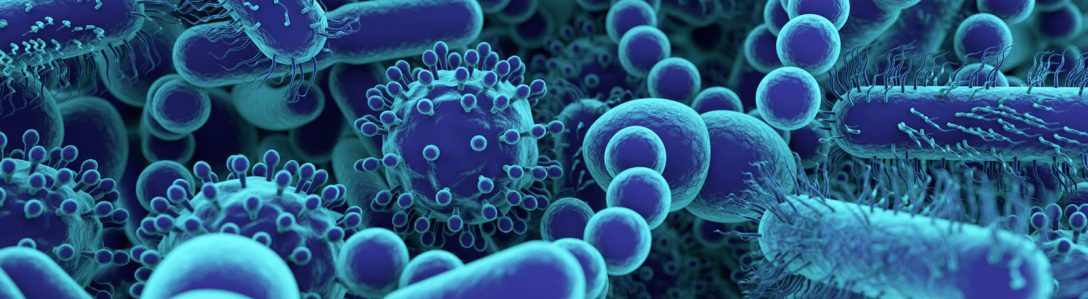
The Microbiome has only just recently been a hot topic of discussion and research among scientists. We have learned in class that the Microbiome describes the collective genome of microorganisms that reside in their environmental niche. Researchers have begun to see that there are links to human health and the microbiome. Understanding the Microbiome will help researchers better understand mental health such as depression as well as what makes some people appear younger and thinner. Research has shown that those that have a more diverse microbiome live longer and are overall more healthy. Furthermore, scientists have even discovered evidence linking the microbiome with autoimmune diseases such as Rheumatoid Arthritis and Multiple Sclerosis. It is clear that having a healthy and normal microbiome is vital to life. Therefore, it is necessary that people understand the Microbiome and how important it is to our daily lives.

As mentioned previously, the Microbiome may be contributed to autoimmune diseases such as Rheumatoid Arthritis (RA). RA is an autoimmune disorder that typically attacks the hands and wrists, causing pain and swelling in the joints. According to Maximilian Konig in The Microbiome in Autoimmune Rheumatic Disease, “Interactions of microbiota and the immune system have been shown to promote and sustain chronic inflammation and autoimmunity” (https://www.sciencedirect.com/science/article/pii/S152169421930169X). Konig also found that Porphyromonas gingivalis, a non-motile, anaerobic Gram-negative rod bacteria that has been linked to a possible cause of dementia, may play an equally large role in RA (Konig, 2020). P. gingivalis is able to convert the amino acid arginine into the protein citrulline, known as citrullination. “C-terminal citrullination of bacterial and host protein has been hypothesized to break immunological tolerance and initiate the ACPA response in RA” (Konig, 2020). Therefore, the Microbiome may play a significant role in development of autoimmune diseases such as RA.
In addition, some scientists have now begun to suspect that the Microbiome plays a role in allergic diseases and researchers have designed studies to determine if this is so. A study in 2020 was done due to a drastic increase in allergic diseases in developing countries. It has been suggested that this rise is linked to the Hygiene Hypothesis which states that as the immune system develops, it must be exposed to microorganisms to learn to protect against allergens. Researchers Ayami Nomura, Astushi Matsubara, Sinichi Goto, Junko Takahata, Kaori Sawada, Kazushige Ihara and Shigeyuki Nakaji in their study, Relationship Between Gut Microbiota Composition and Sensitization to Inhaled Allergens, concluded that “the presence of bacteria of order Lactobacillales, Bifidobacteriales, and Bacteroidales in the gut microbiota may affect sensitization to inhaled allergens” (https://www.sciencedirect.com/science/article/pii/S1323893020300046). One drawback to this study, however, was the absence of nasal allergy testing. Therefore, it is unclear whether gut microbiota can be linked to the cause of nasal allergies. However, it is clear that the human Microbiome plays a role not only in mental health and physical shape, but it also plays a role in autoimmune disorders as well as allergic diseases. To understand how to better oneself, they must understand their Microbiome.

 Charlotte's Blog